Termites in February? What Facility Leaders Need to Know Before Termite Damage Starts


How winter inspections protect buildings, budgets, and business continuity.

When termite activity makes headlines, it’s usually in spring — but for commercial properties in South Texas, February can be one of the most strategic times to take action.

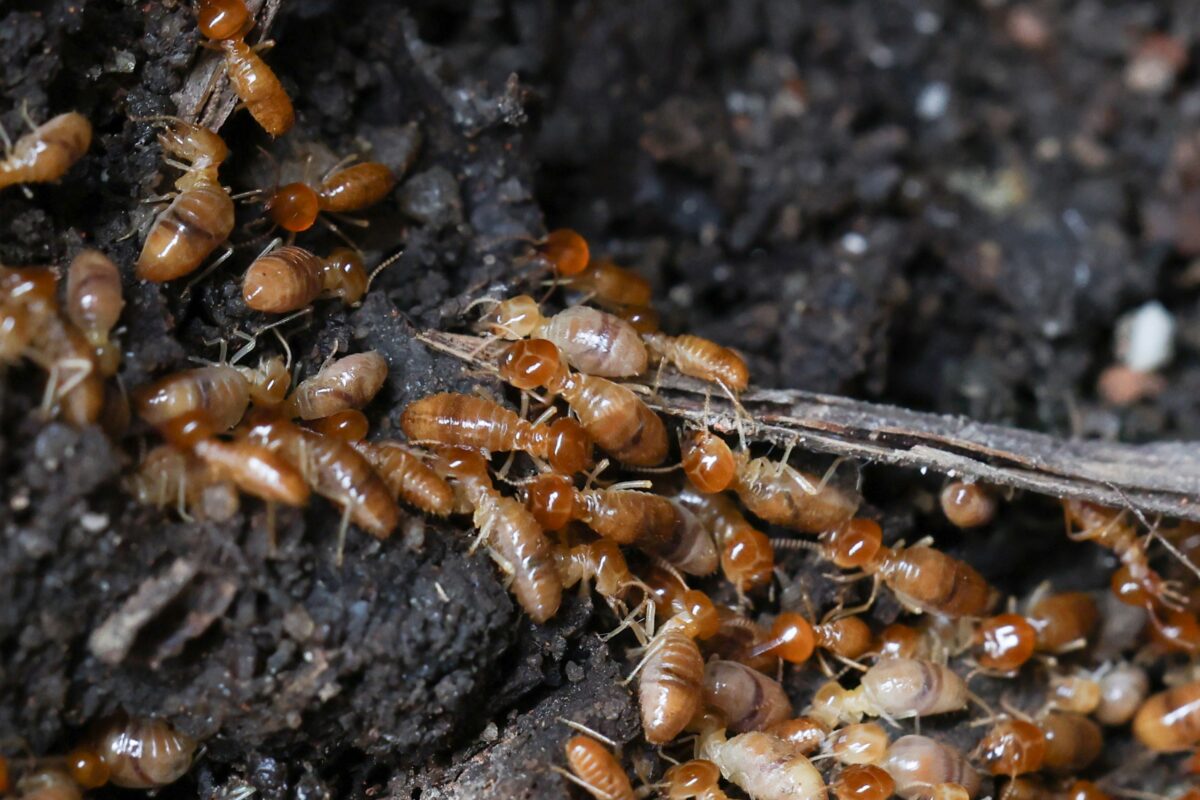
Subterranean termites don’t hibernate. They live underground year-round, traveling through soil and hidden structural access points to reach wood inside buildings. Cooler temperatures simply push their activity deeper into areas most people never see: slab edges, expansion joints, utility penetrations, and interior framing.

That’s why proactive facility leaders treat winter termite damage inspections as part of asset management — not emergency response.


Why Commercial Buildings Are Especially Vulnerable

Commercial properties present unique termite damage pressures:

  • Large slab foundations with multiple entry points
    • Utility and plumbing penetrations
    • Landscaping and irrigation near structures
    • Loading docks and expansion joints
    • Mechanical rooms with moisture sources
    • Multi-tenant environments where activity can go unnoticed

Because termites work quietly, damage often occurs long before staff realizes anything is wrong.

By the time winged termites appear indoors or wood begins to deteriorate, colonies may have been active for months — sometimes years.


Warning Signs Facility Teams Should Never Ignore

Your staff and maintenance crews are often the first line of defense. Call LONESTAR Pest Solutions if anyone notices:

  • Mud tubes along walls or foundation edges
    • Soft, hollow-sounding wood
    • Bubbling or warped paint
    • Discarded wings near windows or doors
    • Moist areas near slabs or mechanical rooms
    • Repeated insect sightings in the same locations
    • Crumbling baseboards or trim

Even subtle signs deserve professional evaluation — especially in high-traffic or regulated environments.

Why Commercial Termite Inspections Require Specialized Expertise

Not all inspections are equal.

A general building walkthrough may note suspicious damage, but licensed termite professionals are trained to:

  • Identify active vs. historic activity
    • Locate subterranean entry points
    • Evaluate soil conditions
    • Understand construction features
    • Assess risk across multi-unit structures
    • Provide service-specific recommendations
    • Produce WDI reports when needed


At LONESTAR Pest Solutions, our inspections are designed to uncover what’s happening now — and what could become a costly problem next.


LONESTAR Pest Solutions provides the following Commercial Termite Services:

  • Annual and one-time termite inspections
    • Subterranean termite services through liquid soil treatment
    • Partial and full treatment service
    • Pre-construction termite prevention (Pre-Treatment)
    • WDI reports for real estate
    • Post-service follow-ups and warranty programs

Each plan is tailored to your building’s structure, use, and long-term goals.


When to Call LONESTAR Pest Solutions

You don’t have to wait for visible damage.

Call our team when:

  • Staff reports repeated insect sightings
    • Maintenance flags moisture issues
    • Tenants raise concerns
    • Structural changes appear
    • You’re planning renovations
    • You’re purchasing or selling a property
    • You want to reduce long-term risk

Early inspections protect budgets, operations, and reputation.


A Partner in Long-Term Asset Protection

Facility leaders don’t just need pest control — they need consistency, documentation, and proactive risk management.

LONESTAR Pest Solutions partners with commercial clients to:

  • Build preventative termite damage programs
    • Support compliance
    • Coordinate service schedules
    • Provide clear reporting
    • Reduce surprises
    • Protect property value

We believe termite management is part of responsible building stewardship.


Protect the Asset. Support the Operation.

February is the time to assess vulnerabilities before peak termite season arrives.

Let LONESTAR Pest Solutions perform a professional commercial termite inspection and design a protection plan built around your facility.


Schedule a Commercial Termite Inspection Today


January Pest Risks for Commercial Properties: What Facility Leaders Should Know


January is when pest activity becomes less visible but more dangerous. Rodents and insects move into walls, ceilings, and mechanical spaces, often going unnoticed until damage, complaints, or violations occur. This is when pest risk increases across commercial properties, especially in mild winter climates like San Antonio. 


What Property & Facility Managers Should Be Watching For

  • Unexplained odors or droppings
  • Noise in walls or ceilings
  • Increased service calls from tenants or staff
  • Gaps around dock doors, utility penetrations, and foundations
  • Moisture issues in restrooms, breakrooms, and mechanical rooms
     

Each of these conditions increases pest risk if left unaddressed. 


Common Commercial Pests Active in Winter

• Rodents – High-risk for structural damage and contamination
• Cockroaches – Thrive in kitchens and utility areas
• Ants – Indoor foraging during cooler months
• Flies – Drain and moisture-related species
• Occasional invaders – Crickets, spiders, stored product pests

All of these pests contribute to elevated winter pest risk in commercial buildings. 


The Value of a Professional Inspection

Most facility teams are not expected to be pest experts. A professional inspection uncovers risks, conditions, and vulnerabilities before they impact operations or reputation.

Inspection-based pest management is not a cost—it is an investment in asset protection.
More importantly, it reduces pest risk before it escalates into damage, downtime, or compliance issues. 


How LONESTAR Pest Solutions Supports Commercial Clients

Our January commercial services are designed to identify, educate, and prevent pest risk in commercial environments

  1. Facility Pest Reset
  2. Winter Rodent Defense Program
  3. Seal & Secure: Pest Exclusion Lite
  4. Interior Focus Treatment – Winter Edition
  5. Year-Round Facility Protection Plan

An Invitation to Assess, Not Assume

You don’t know what you don’t know and that’s where risk lives.

Unchecked pest risk often starts in hidden areas like ceilings, utility chases, and mechanical rooms.

We invite property and facility managers to allow us to perform a professional, fee-based inspection. This assessment provides clarity, documentation, and a prioritized plan to protect your facility.


Protect the Asset. Support the Operation.

January is the time to assess, plan, and protect.

LONESTAR Pest Solutions partners with facility leaders to proactively safeguard buildings, people, and reputations by reducing pest risk before problems arise. Call (210) 653-4250 to get started.


Commercial Pest Control for Shelter Season

Here in Texas, pests never really take a vacation, and that includes in commercial environments. Because our winters are mild, we don’t experience the deep freezes that wipe out pest populations in colder states. Instead, insects and rodents slow down and start moving indoors where it’s warm, dry, and full of food and shelter.

From warehouses and office buildings to medical facilities, financial institutions, and retail spaces, this time of year marks what the pest control industry calls “Shelter Season.”
During November through January, cockroaches, spiders, and ants seek refuge inside buildings — in storage areas, wall voids, breakrooms, restrooms, and mechanical chases.

While your teams are preparing for the holidays, your building may be quietly hosting some very unwanted guests.

Stay Ahead with a Proactive Indoor Prevention Program

The best time to stop pest activity is before it starts.
At LONESTAR Pest Solutions, our approach is proactive, not reactive, designed to prevent pest pressure before it impacts your facility, operations, or brand reputation.

Our commercial pest prevention service for Cockroaches, Spiders & Ants includes:

  • Comprehensive interior inspections of kitchens, breakrooms, bathrooms, storage, and mechanical spaces.
  • Precision “zone-treatments” in utility lines, baseboards, and high-traffic areas where pests thrive.
  • Recommendations for sanitation and structural improvements to reduce attractants.
  • Optional attic, drop-ceiling, or crawl-space inspections for complete coverage.

Now is the perfect time to schedule, before year-end facility closures, staff vacations, and holiday foot traffic increase the risk of unnoticed infestations.

How LONESTAR Protects San Antonio’s Commercial Facilities

LONESTAR Pest Solutions has protected San Antonio’s leading commercial properties  including universities, hospitals, research centers, restaurants, financial institutions, and hospitality venues.

We deliver more than a spray; we provide strategic pest prevention programs that safeguard your facility’s image, compliance, and bottom line.

Our commercial winter services include:

  • Rodent & Wildlife Exclusion – Seal gaps and proof entry points before rodents migrate indoors.
  • Interior Zone Prevention Treatments – Maintain a clean, pest-free environment through the cooler months.

Because in Texas, pests don’t disappear in winter, they simply find a new place to call home.

Now is the time, pests looking for warm shelter are already moving in.

Schedule Your “Shelter Season” Facility Service here or Call LONESTAR Pest Solutions today at (210) 653-4250.
Protect your building, staff, and reputation this season  with proactive prevention that keeps your business running clean, safe, and pest-free through the holidays and into the new year.


How to Keep Rodents Out of Your Commercial Building This Winter


Rodents don’t just invade homes they infiltrate commercial spaces too. As cooler weather moves in, different types of rodents like rats and mice begin searching for shelter, warmth, and food. Unfortunately, commercial buildings offer all three.

In facilities like warehouses, medical offices, financial institutions, and food service environments, rodents can slip through tiny utility gaps, HVAC chases, loading docks, or rooflines. Once inside, they can:

  • Chew through wiring, insulation, and packaging.
  • Contaminate stored products or sensitive equipment.
  • Create fire hazards and sanitation concerns.
  • Damage your reputation and potentially trigger costly compliance issues.

The reality? One overlooked gap could mean thousands in damage, or worse, a shutdown.


Shelter-Season Facility Check: What’s Included in Your Rodent Inspection

At LONESTAR Pest Solutions, we provide a Rodent & Wildlife Exclusion and Monitoring Service designed specifically for commercial and institutional environments.

Our Shelter-Season Inspection includes:

  • A complete inspection of the facility’s perimeter, storage areas, breakrooms, and mechanical chases.
  • Identification and sealing of structural gaps and utility penetrations.
  • Placement of professional-grade monitoring and bait stations for early detection where needed.
  • Customized exclusion detailing and facility documentation for compliance records.

Why Rodents Invade Commercial Spaces in Winter

In San Antonio’s mild winters, rodent activity doesn’t stop it simply moves indoors.
Warehouses and commercial properties near greenbelts, drainage channels, and construction zones see higher pressure as rodents migrate toward warmth.

For businesses, prevention isn’t just a smart move, it’s an investment in operational stability. A rodent incident can:

  • Disrupt workflow and productivity.
  • Lead to property or equipment damage.
  • Result in health and safety violations.
  • Undermine customer trust and brand reputation.

Proactive exclusion and monitoring cost a fraction of what an active infestation or remediation would — making it a critical step in your facility’s risk management plan.


How LONESTAR Pest Solutions Can Help

For over 18 years, LONESTAR Pest Solutions has been trusted by San Antonio’s leading institutions from universities and research centers to hospitality, healthcare, and financial facilities.

Our certified technicians provide discreet, compliant, and effective commercial pest management tailored to your building’s structure and operation schedule. We don’t just “set traps” we deliver measurable, reportable protection that safeguards your property, staff, and reputation.

Our goal is simple: Keep your facility pest-free, compliant, and operational all year long.

Start Your Commercial Rodent Prevention Plan

Protect your people, your property, and your peace of mind — because prevention is the smartest investment you can make.


Small Oversights Can Invite Big Pest Problems into Your Business

In South Texas, pests don’t wait for an invitation and in commercial spaces, the stakes are higher: health codes, audits, brand reputation, inventory, and uptime.
At LONESTAR Pest Solutions, we work with your team to protect your environment through vigilant sanitation, early reporting, and proactive prevention that pays for itself.

Here are a few helpful hits plus how partnering with Lonestar keeps you ahead of issues (and inspectors).

1) Deliveries & Loading Docks = Hitchhiking Pests

Did you know German roaches and stored-product pests often arrive inside corrugate, pallets, and shrink-wrap? Open bay doors are express lanes.

Helpful Hits

  • Set a receiving SOP: inspect boxes, break down corrugate daily, and store 6″ off floor, 18″ from walls.
  • Keep dock seals tight; install door sweeps and air curtains where practical.
  • Sweep/zip-vac dock debris at shift change.

Team Tip (Lonestar): We train staff to spot “hitchhiker” signs and set monitoring at high-risk points (docks, breakrooms, dry storage) so we catch problems before they spread.

 2) Dumpsters, Grease, and Nightly Trash Routines

Did you know one overflowing bin can attract flies, roaches, and rodents from half a block away?

Helpful Hits

  • Position dumpsters 15–25 ft from doors; keep lids closed and pads clean.
  • Schedule grease trap and pad wash-downs; fix leaky compactors.
  • Use tight-fitting internal cans with liners; tie off nightly.

Team Tip: We document exterior attractants in each visit and coordinate with your hauler on pickup and pad cleaning cadence.

3) Breakrooms & Tenant Kitchens: High-Frequency Hotspots

Did you know crumbs under appliances and overnight pet food attract ants and roaches fast?

Helpful Hits

  • Adopt a “clean desk & clean counter” close-out: wipe, sweep, and empty cans nightly.
  • Store snacks in sealed containers; label & date community items.
  • Pull mini-fridges quarterly for a quick sweep-and-sanitize.

Team Tip: Our techs place discreet monitors and show your staff exactly what to wipe and where, fast wins that stick.

 4) Drains, Leaks & Condensation Feed Infestations

Did you know fruit flies can breed in organic film inside floor drains in as little as 48–72 hours?

Helpful Hits

  • Use enzyme drain maintenance; cap/cover unused drains.
  • Fix slow leaks, sweating lines, and standing water.
  • Keep mop buckets emptied and stored dry.

Team Tip: We map moisture hotspots and add them to your service log so Facilities can tackle root causes—not just symptoms.

 5) Landscaping, Lighting & Roof Lines

Did you know birds and roof rats love dense ivy, fruiting trees, and warm signage?

Helpful Hits

  • Trim shrubs 12–18″ from the building; elevate or relocate dense plantings.
  • Switch to warm LED/“bug” bulbs at doors; relocate lights away from entries.
  • Screen roof/HVAC penetrations; maintain bird-proofing where needed.

Team Tip: We pair exterior baiting/exclusion with seasonal landscape notes—your first line of defense stays strong.

6) “One-Off” Service ≠ Compliance

Did you know many audit findings (HACCP, AIB, SQF, local health) cite documentation, monitoring devices, and corrective actions—not just pest sightings?

Helpful Hits

  • Keep a centralized Pest Management Binder: licenses, SDS, device maps, trending reports, corrective actions.
  • Ensure devices are numbered, mapped, dated, and serviced on schedule.
  • Log staff sightings early—tiny clues prevent big shutdowns.

Team Tip: Lonestar provides audit-ready documentation, device maps, and trend analytics that make inspections smooth and stress-free.

The LONESTAR Partnership (Built for Businesses)

We don’t just “make a visit”—we make an impact. With Lonestar, you get:

  • Tailored IPM plans by operation type (restaurant, office, medical, warehouse, retail, multi-unit).
  • Discreet, scheduled service that minimizes disruption—plus rapid response when you need it.
  • Audit-ready records & trend reports for health and third-party compliance.
  • Staff micro-trainings (5–10 minutes) on sanitation & sighting protocols that actually stick.
  • Exclusion & repairs guidance for doors, sweeps, screens, penetrations, and dock gaps.

Our Process

  1. Walkthrough & Risk Map – We identify attractants and entry points.
  2. Device Layout & Service Cadence – Right tools, right places, right schedule.
  3. Sanitation & Facilities Alignment – Clear to-dos with owners (who, what, by when).
  4. Trend, Report, Improve – Data-driven adjustments that keep you ahead of seasons and audits.

Why Prevention Pays for Itself

  • Protects revenue & reputation: One post can undo months of marketing.
  • Avoids closures & rework: Early fixes beat emergency treatments and repairs.
  • Predictable budgeting: A smart plan costs less than one major incident.

Quick “Team with Lonestar” Checklist

  • Report any sightings immediately (who/where/when).
  • Keep doors closed; maintain sweeps and dock seals.
  • Follow nightly trash and breakroom close-out routines.
  • Log leaks, moisture, and drain issues for fast correction.
  • Review Lonestar service notes after each visit and close corrective actions.

The Local Experts Behind Lasting Protection

We’re proud to protect the businesses that keep San Antonio and South Texas thriving. From River Walk restaurants and Stone Oak clinics to I-35 warehouses and Class-A offices—Lonestar is the pest management company for you.

Ready to protect your environment and your reputation?

Schedule your commercial inspection with LONESTAR Pest Solutions today.