Mosquito

Mosquitoes are more than just a nuisance — they can quickly take over outdoor spaces and disrupt everyday comfort around your home or business. In San Antonio’s warm climate, mosquito populations build fast, especially in areas with standing water, shaded landscaping, and poor drainage. These pests are not only irritating due to constant biting, but they can also carry harmful diseases. At LONESTAR Pest Solutions, we focus on identifying breeding areas, reducing population growth, and applying targeted treatments designed to control mosquitoes at the source — helping you reclaim your yard and maintain long-term protection.

Common types of Mosquito

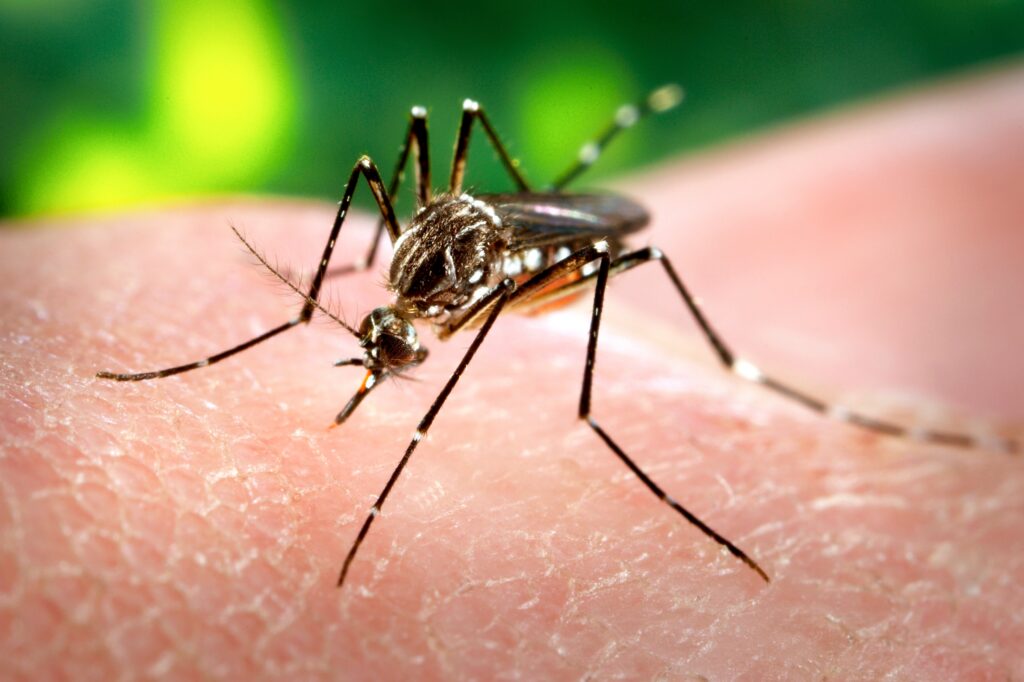
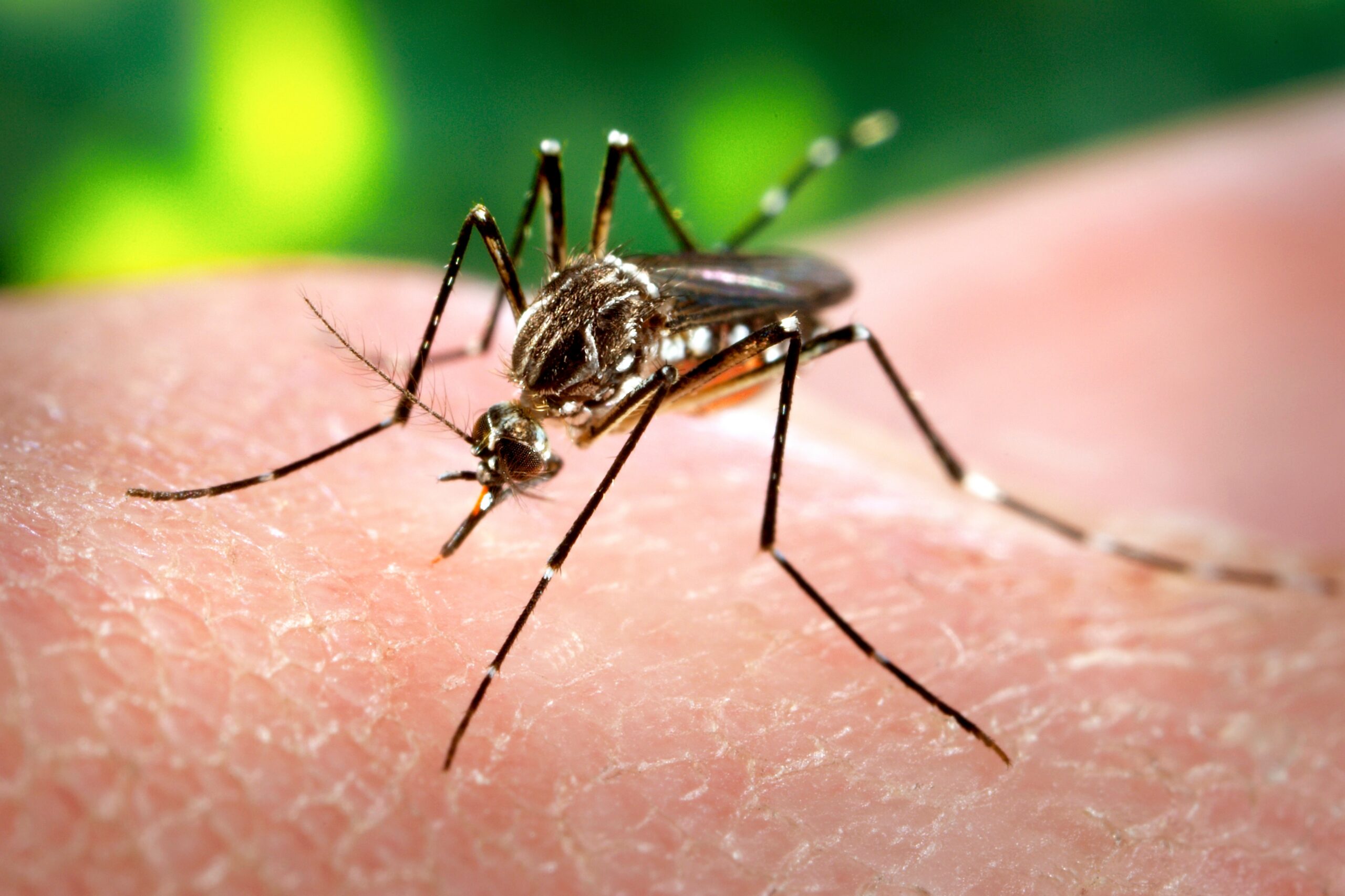
A,Female,,Aedes,Aegypti,Mosquito,Obtaining,A,Blood,Meal,From
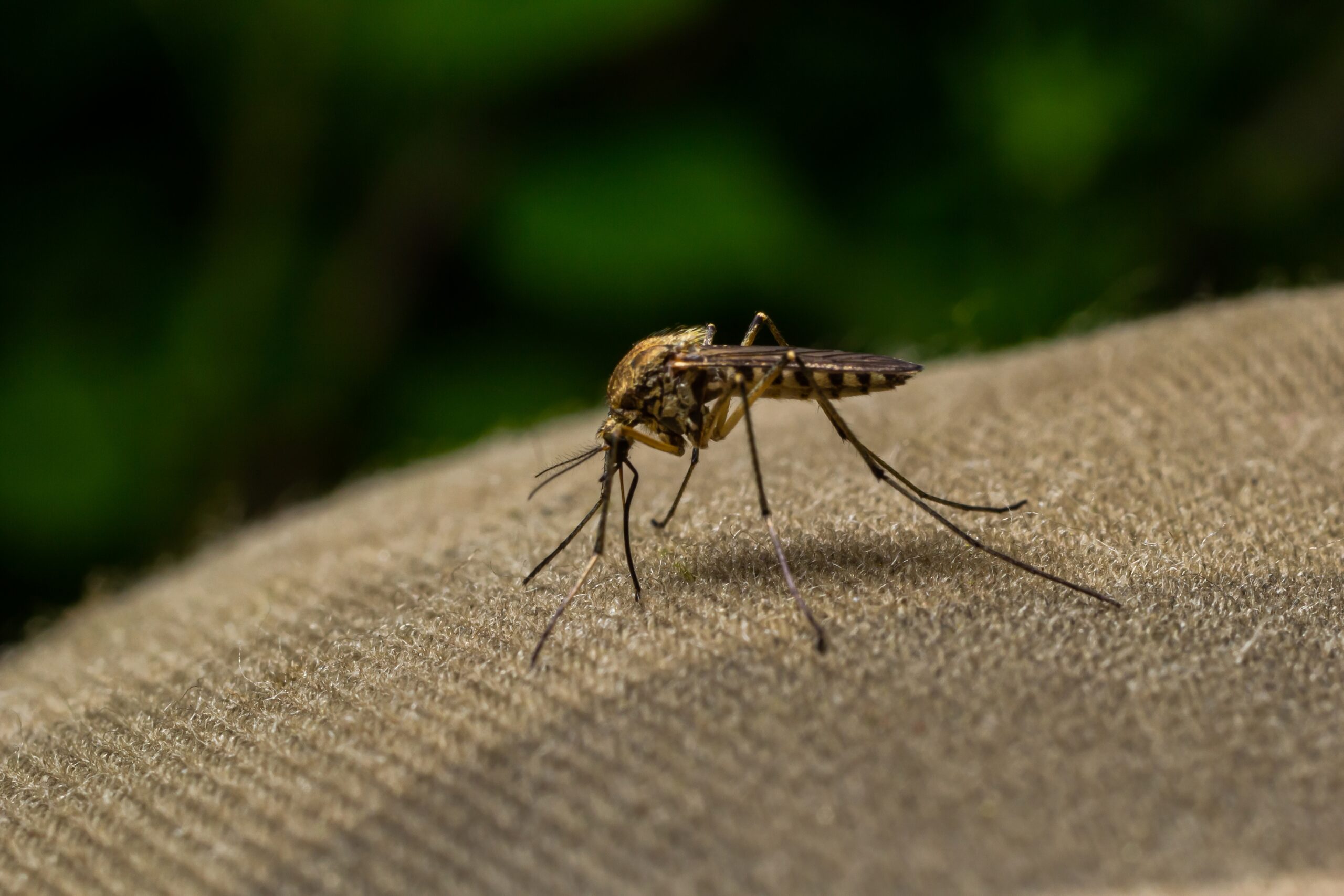
Common House Mosquito

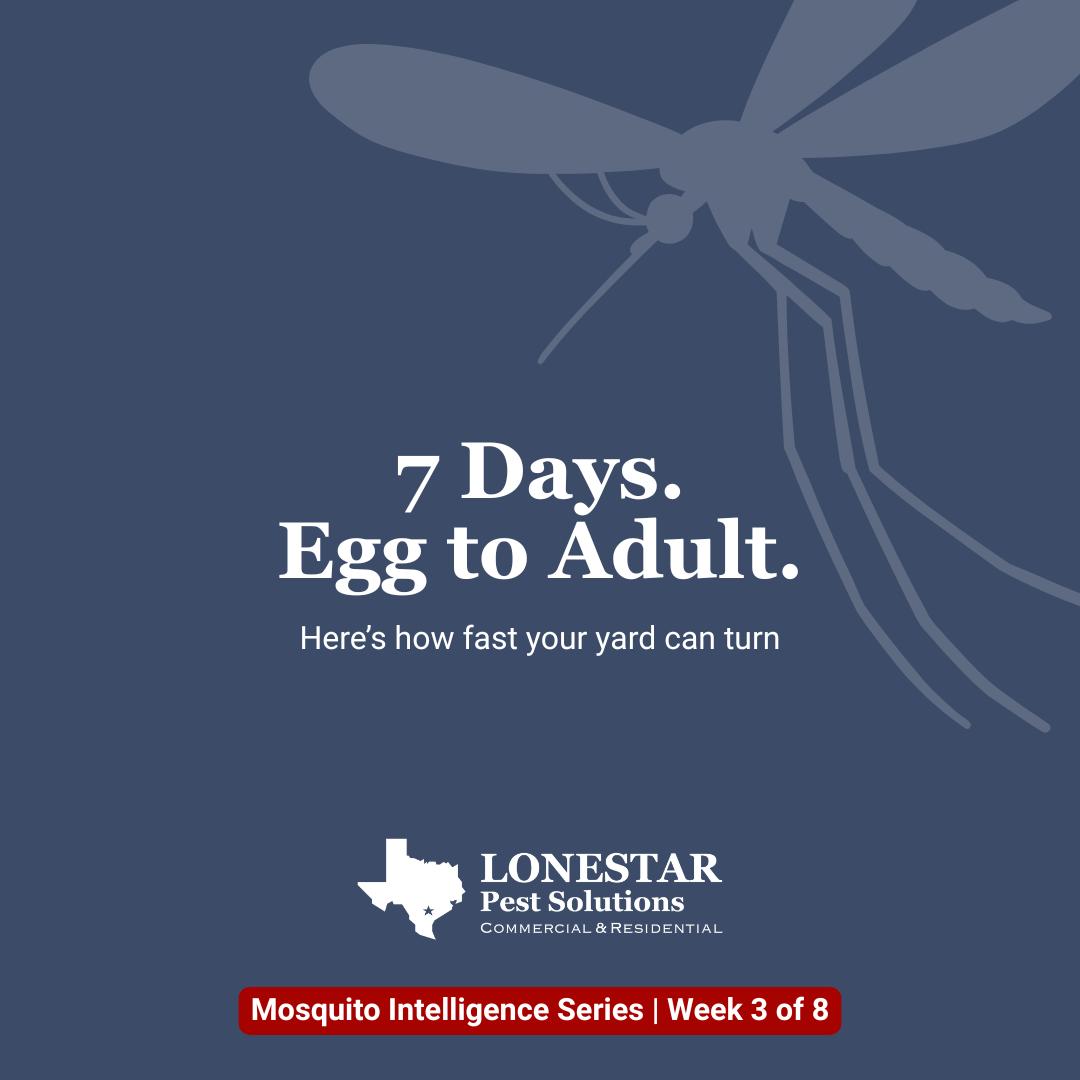
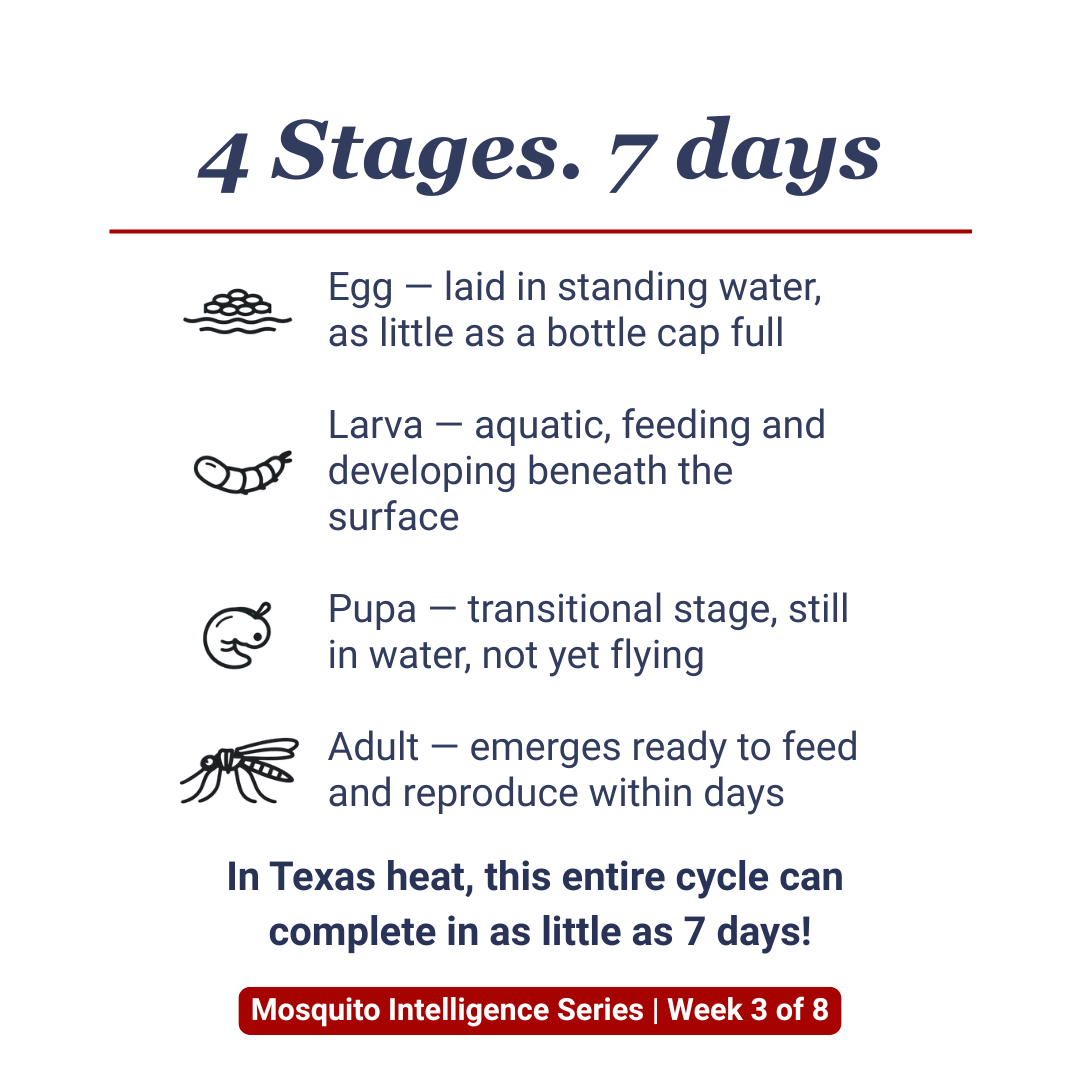
The most common mosquito species in Texas are active during warmer months and thrive in areas with standing water and shade. These insects reproduce quickly and can develop from egg to adult in as little as a week under the right conditions.

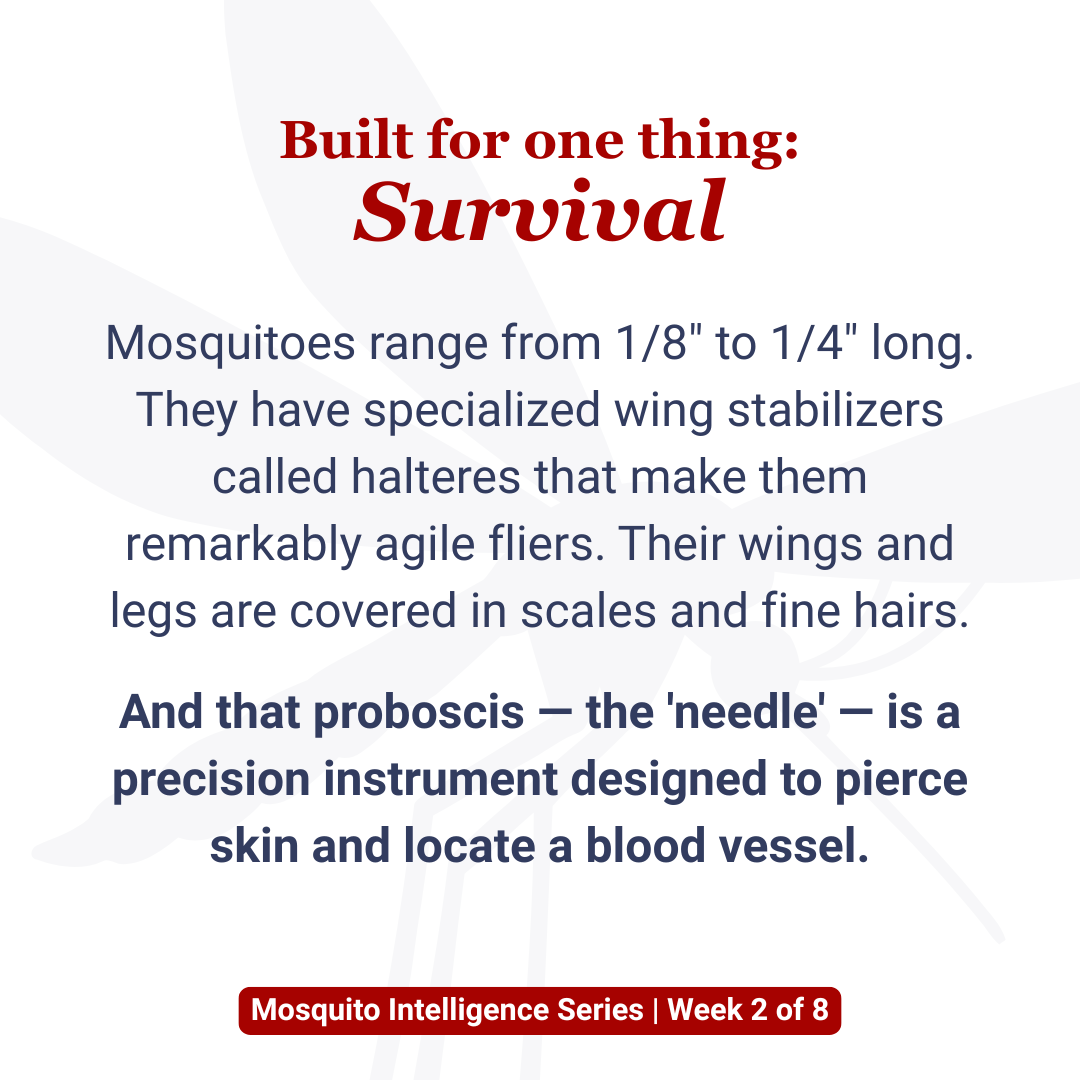
Size, Color: Small, slender insects (about 1/8–3/8 inch long); typically gray to dark brown with long legs and narrow wings.

Identifying Characteristics: Long proboscis (mouthpart) used for biting; high-pitched buzzing sound during flight; females are the ones that bite.

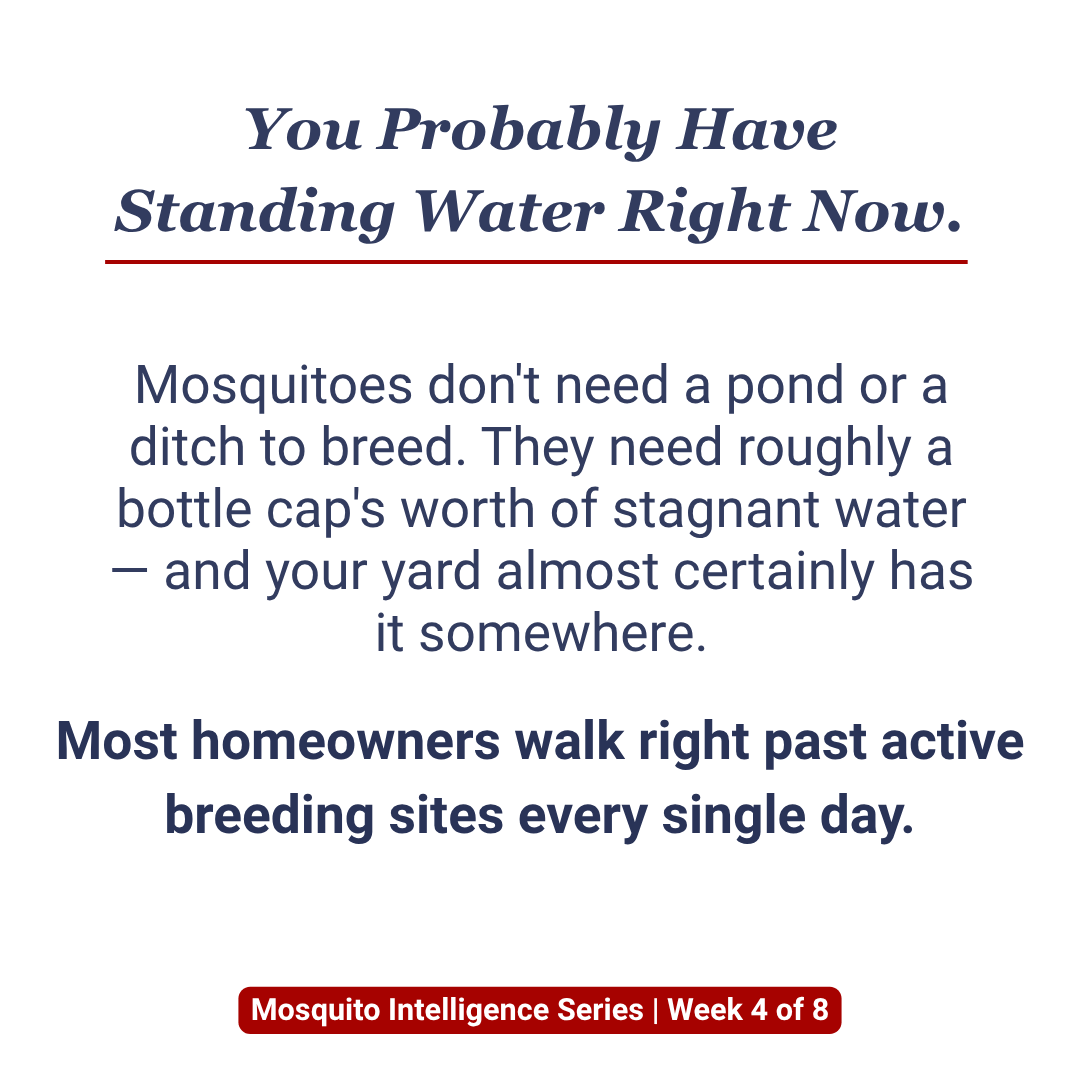
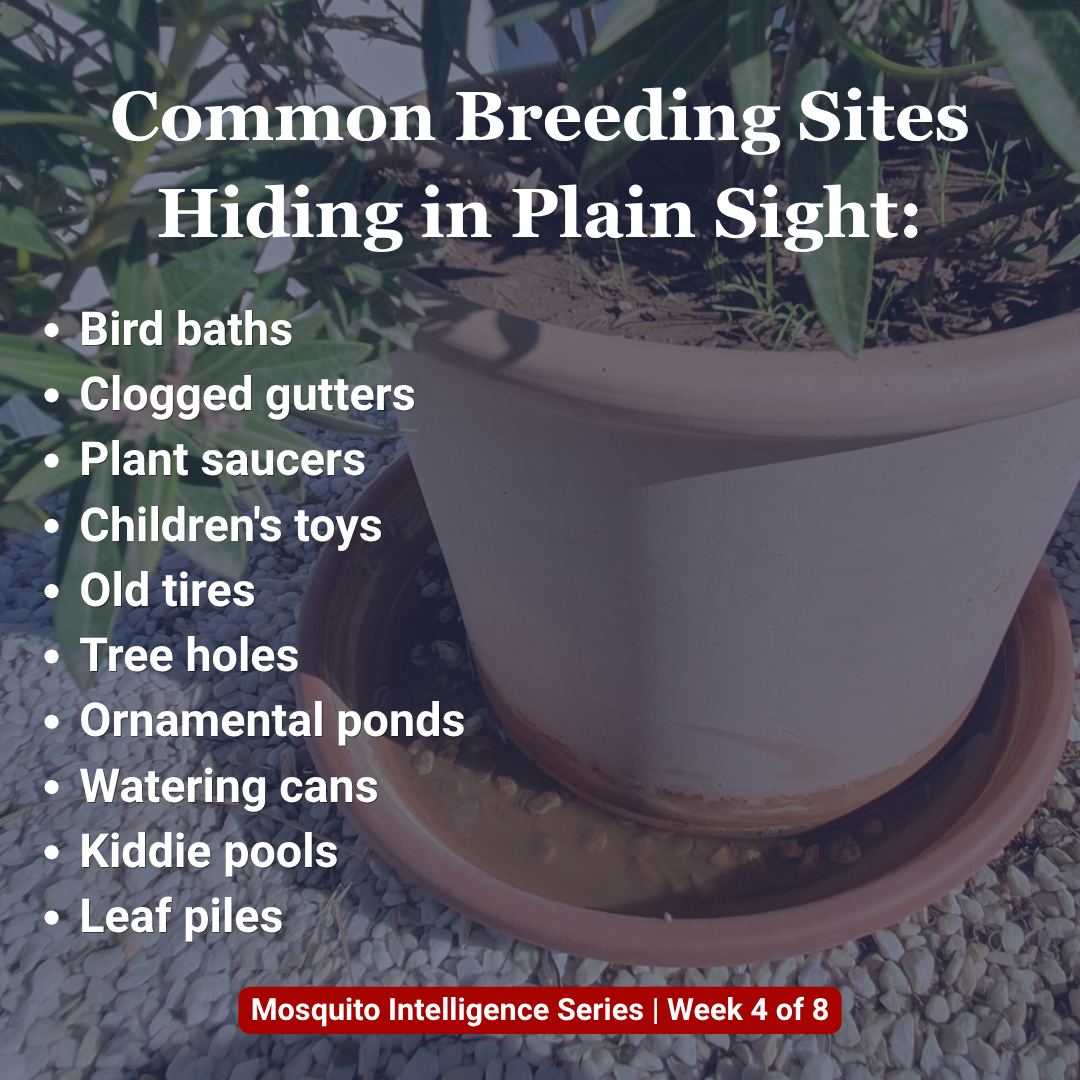
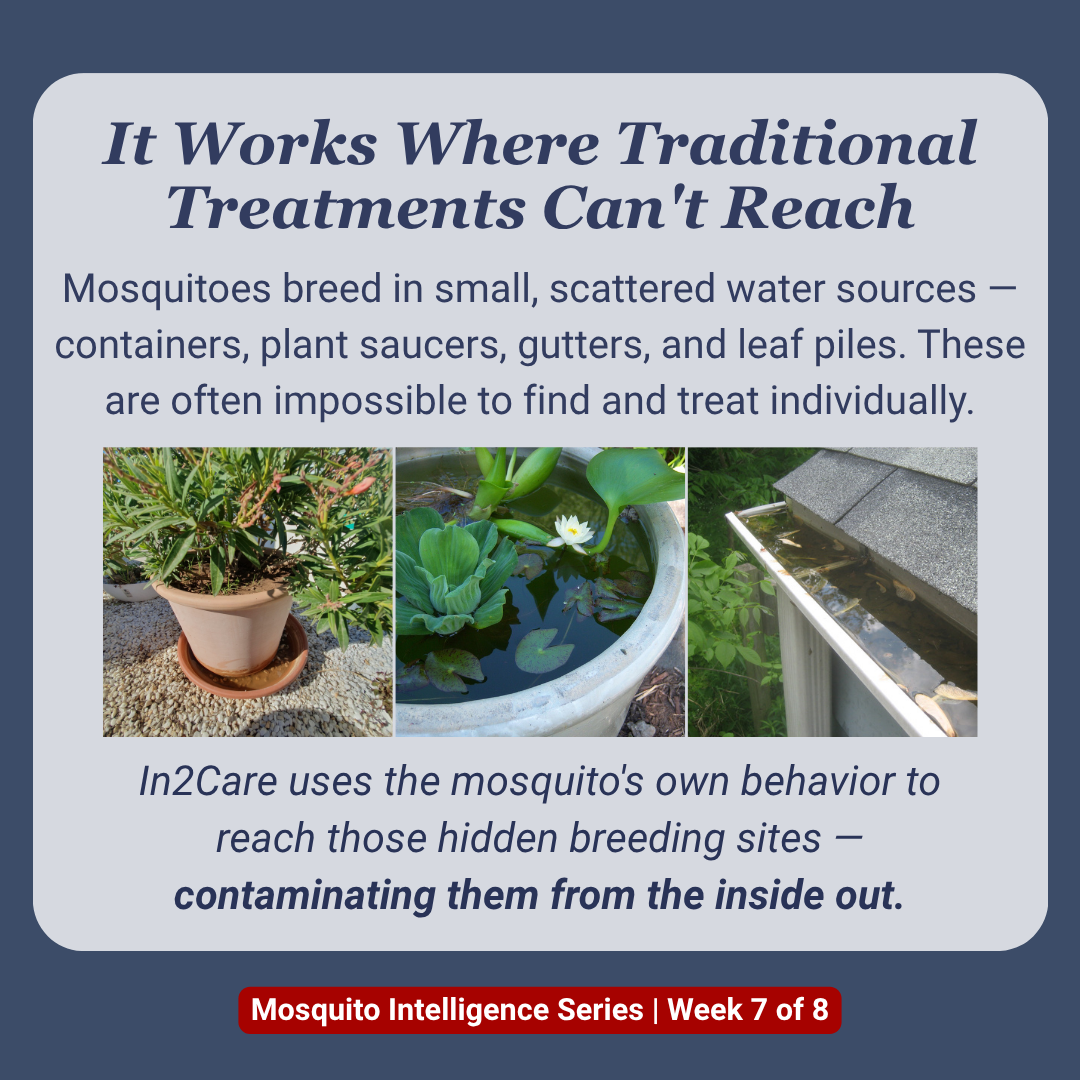
Where does it nest/hide? Mosquitoes lay eggs in standing water such as gutters, birdbaths, flower pots, drains, and low-lying areas. Adults rest in shaded vegetation, tall grass, and under decks or patios.

When does it typically reproduce? Spring through fall; populations increase rapidly as temperatures rise, with peak activity during summer months.

What is it attracted to? Standing water, body heat, carbon dioxide, sweat, and shaded outdoor areas with moisture.


Macro,Of,Mosquito,Suck,In,Blood,mosquito,Using,Mouth,Drill,Through
Tiger Mosquito

A highly aggressive mosquito species commonly found in Texas. Unlike other mosquitoes, this species is active during the daytime and is known for its painful bites and rapid population growth.

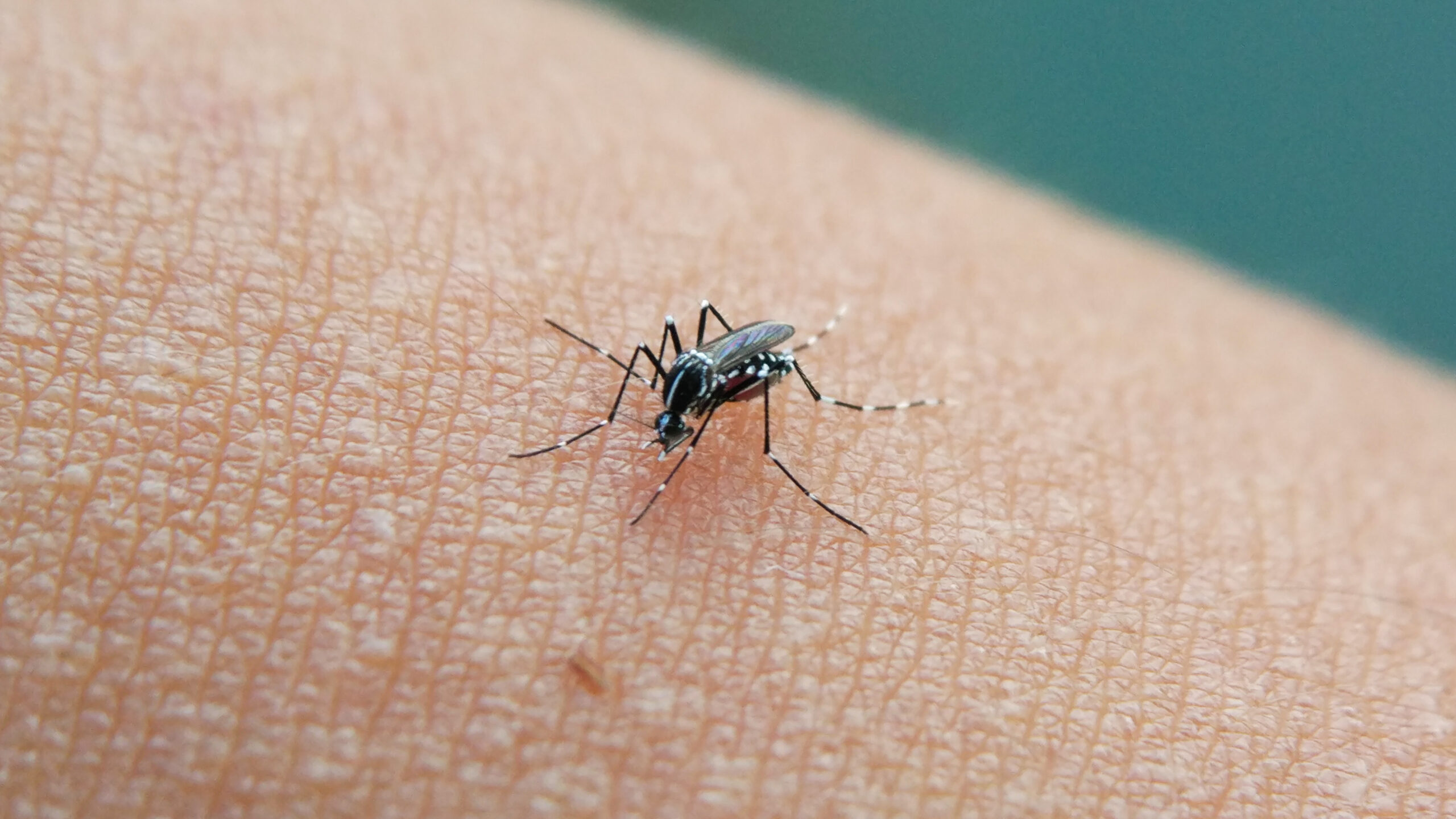
Size, Color: About 1/8–1/4 inch long; black body with distinct white stripes on legs and body.

Identifying Characteristics: Recognizable by its black-and-white striped pattern; fast, aggressive biter active during the day.

Where does it nest/hide? Breeds in small containers of standing water such as flower pots, buckets, tires, and outdoor items; rests in shaded vegetation.

When does it typically reproduce? Spring through fall; breeds quickly in warm temperatures, even in small amounts of water.

What is it attracted to? Body heat, carbon dioxide, moisture, and shaded outdoor areas.

Aedes,Aegypti,Mosquito,On,Human,Skin.
Anopheles Mosquito

A less common but medically important mosquito species found in parts of Texas. These mosquitoes are known for their unique resting position and ability to transmit certain diseases.

Size, Color: About 1/8–1/4 inch long; brown to dark-colored with long legs.

Identifying Characteristics: Rests at an angle with its body tilted upward rather than flat; slender body with long legs.

Where does it nest/hide? Prefers clean or slightly stagnant water such as ponds, marshes, and natural water sources.

When does it typically reproduce? Spring through fall; more active in warm conditions.

What is it attracted to? Standing water, body heat, and carbon dioxide.

Health risks

  • Disrupt sleep and daily comfort due to frequent biting
  • Cause itchy bites that may lead to allergic reactions or skin irritation
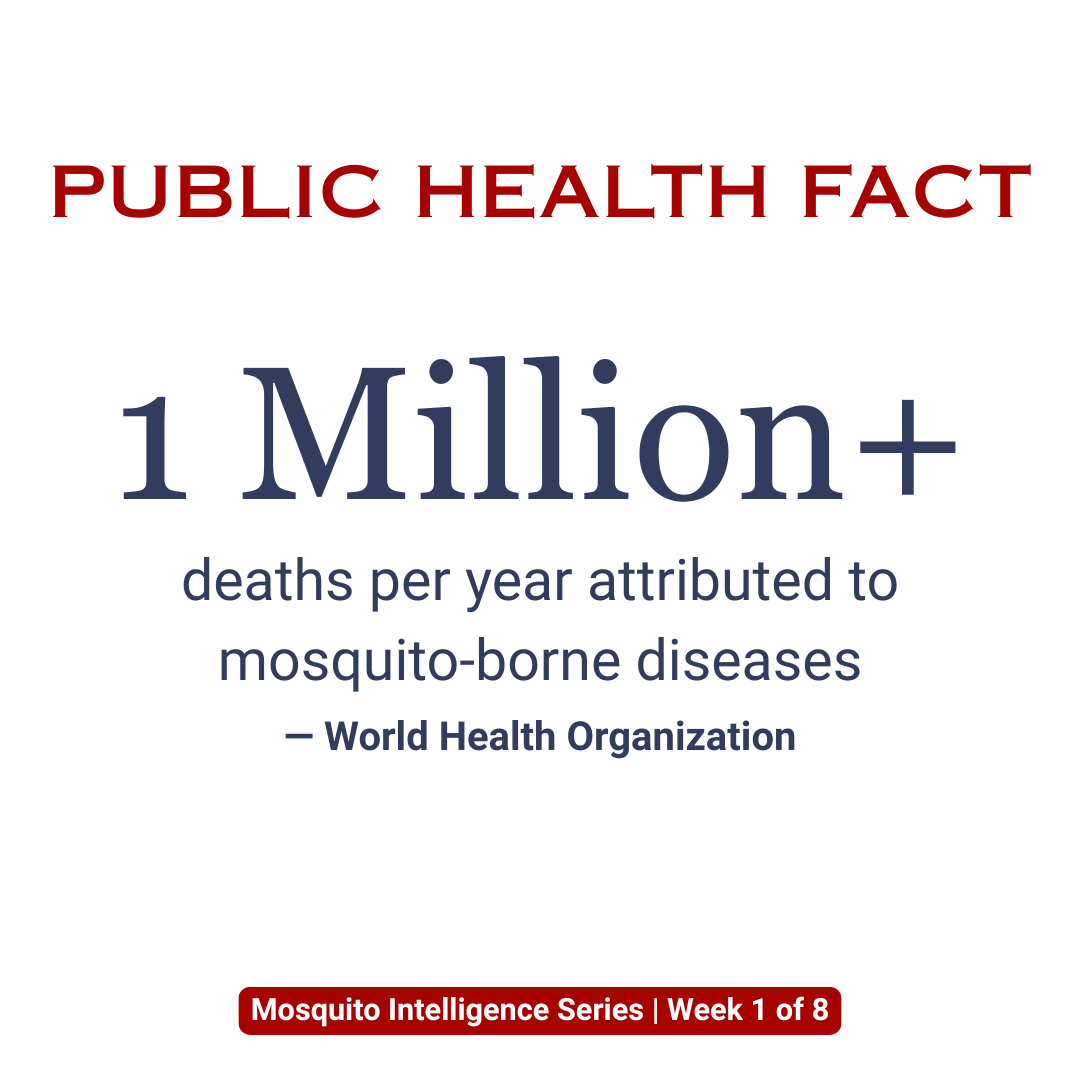
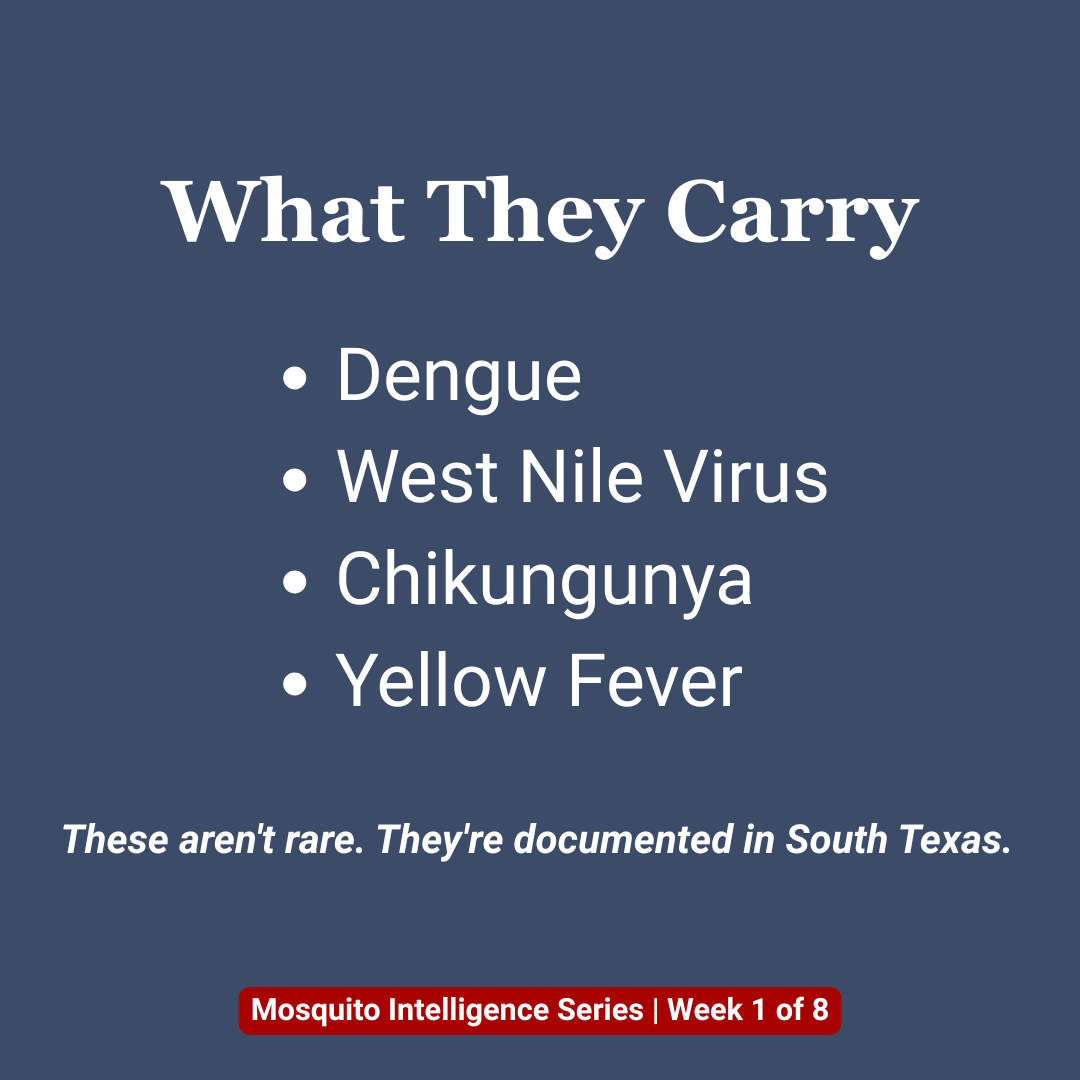
  • Can transmit diseases such as West Nile virus and other mosquito-borne illnesses
  • Property damage

  • Make outdoor areas like patios, yards, and pools difficult to use
  • Rapidly reproduce in standing water around the property
  • Increase in population can spread quickly across the entire yard
  • How it works

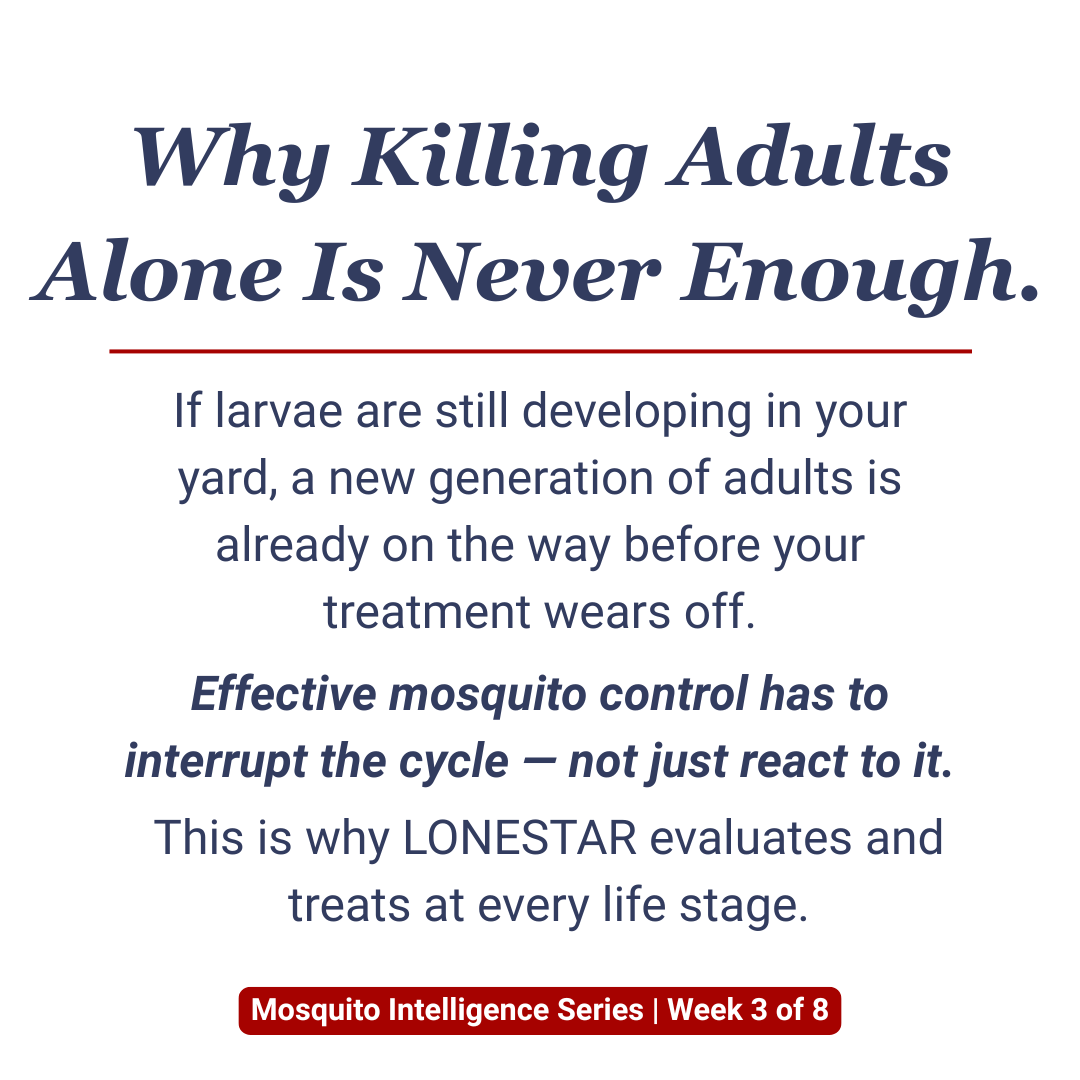
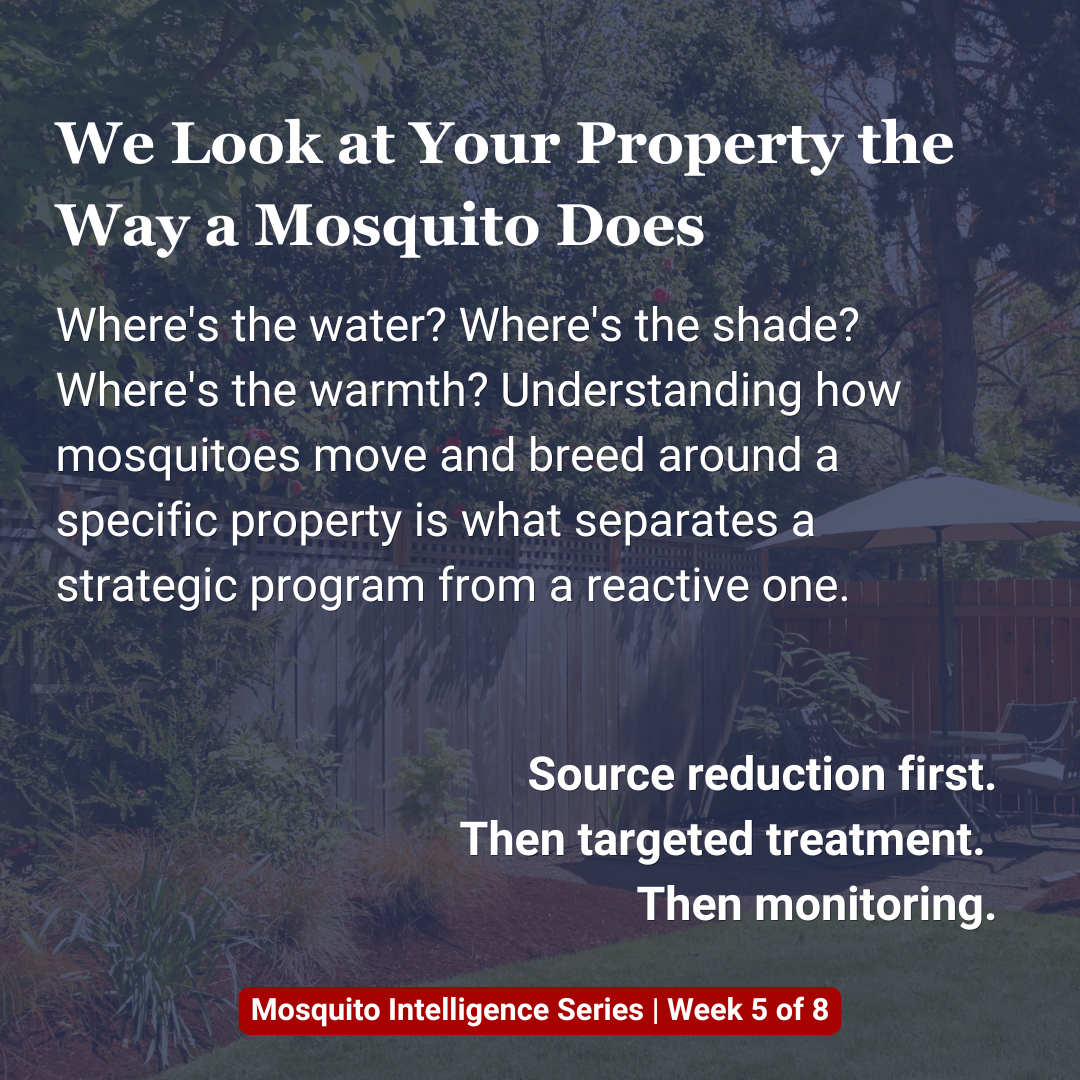
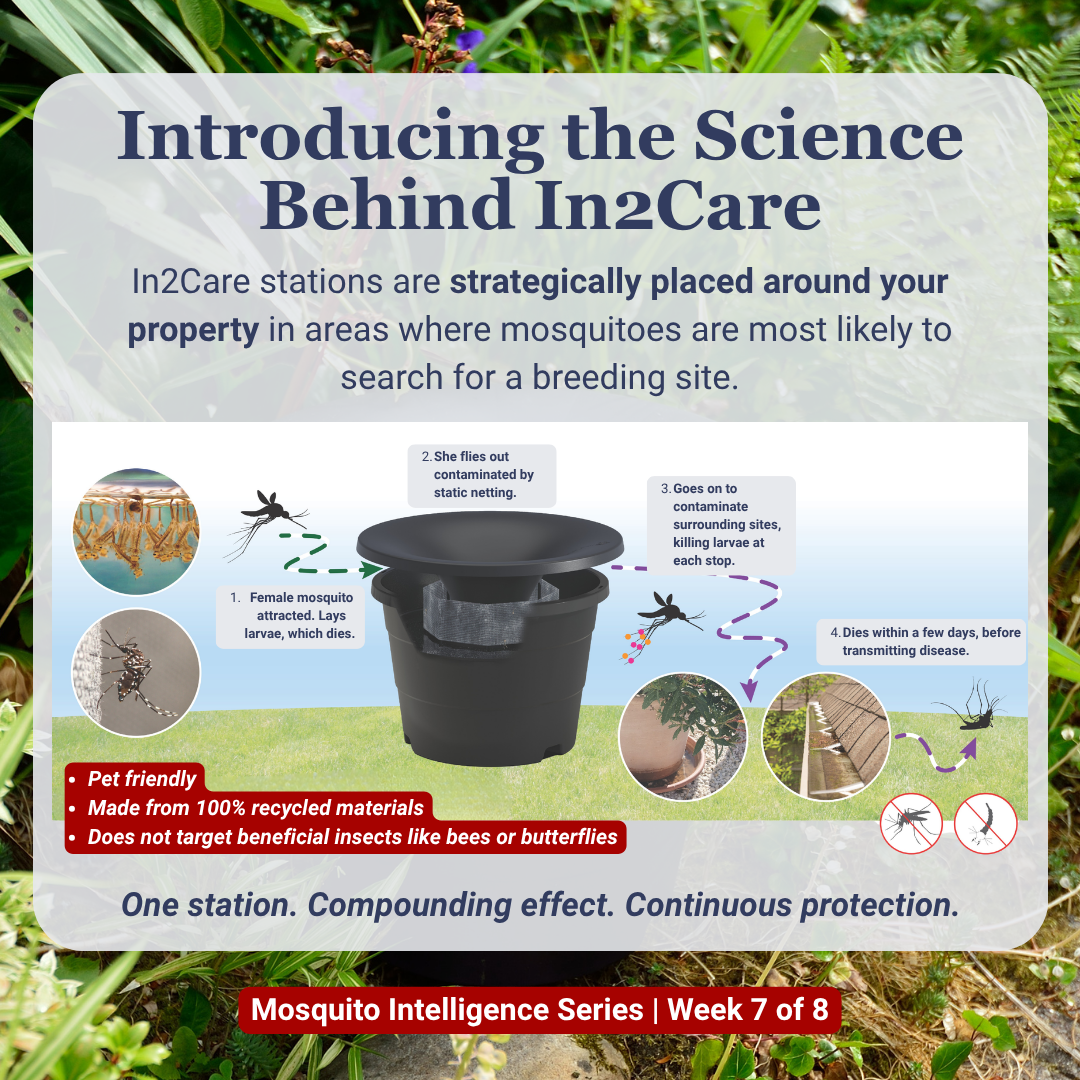
    Mosquito control starts by identifying areas where mosquitoes live and breed, especially standing water and shaded vegetation. Once these areas are located, targeted treatments are applied to reduce active populations and stop larvae from developing. By combining habitat reduction with ongoing treatments, we help prevent mosquitoes from returning and provide consistent protection for your outdoor spaces.


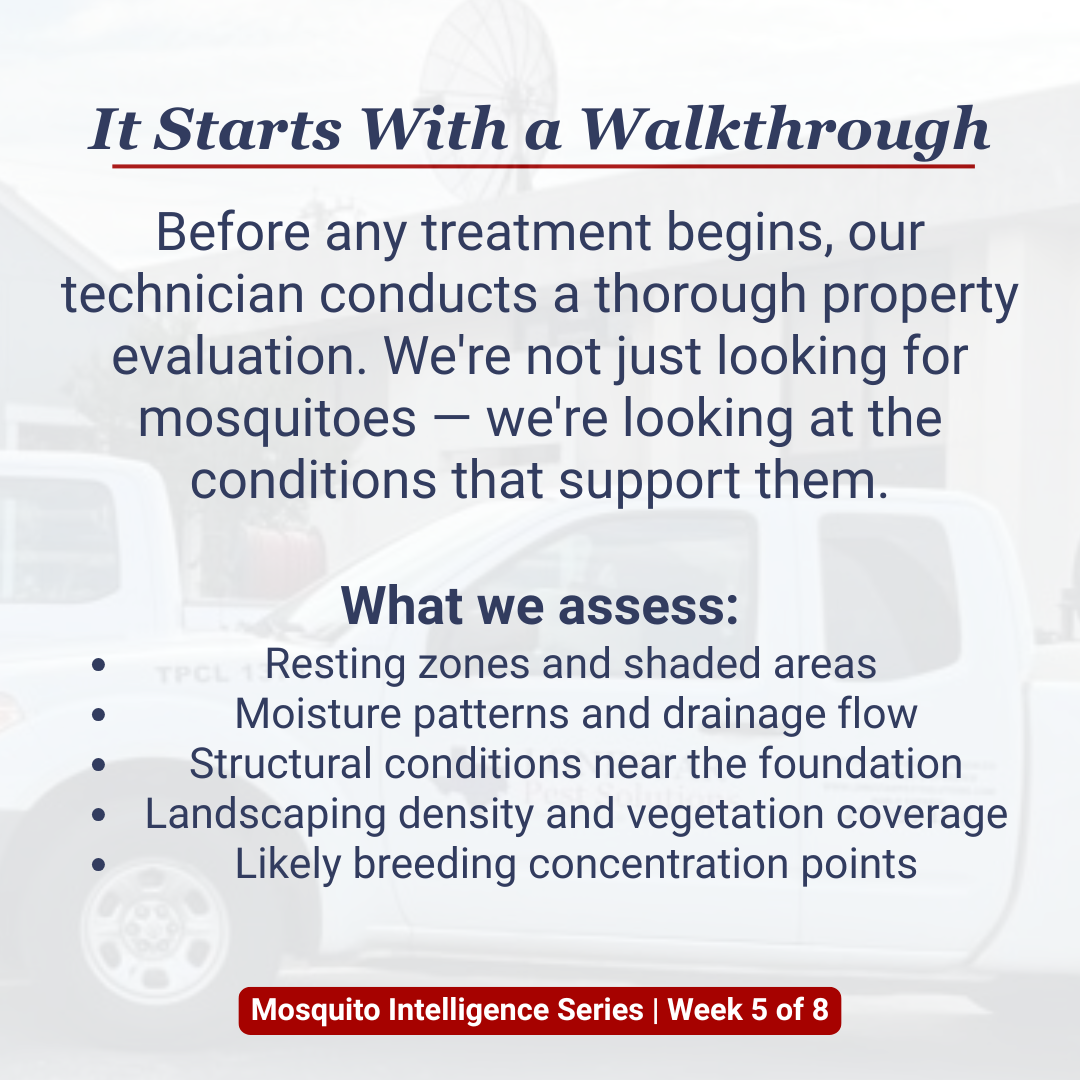
    Inspection
    • Identify standing water sources such as gutters, drains, and containers
    • Inspect shaded areas, shrubs, and vegetation where mosquitoes rest
    • Evaluate drainage issues and areas prone to water accumulation
    • Locate high-activity zones around outdoor living spaces
    • Apply targeted mosquito treatments to active resting areas and vegetation
    • Treat standing water sources to eliminate larvae before they develop
    • Reduce adult mosquito populations around outdoor living spaces
    • Focus on breeding zones to help prevent future infestations
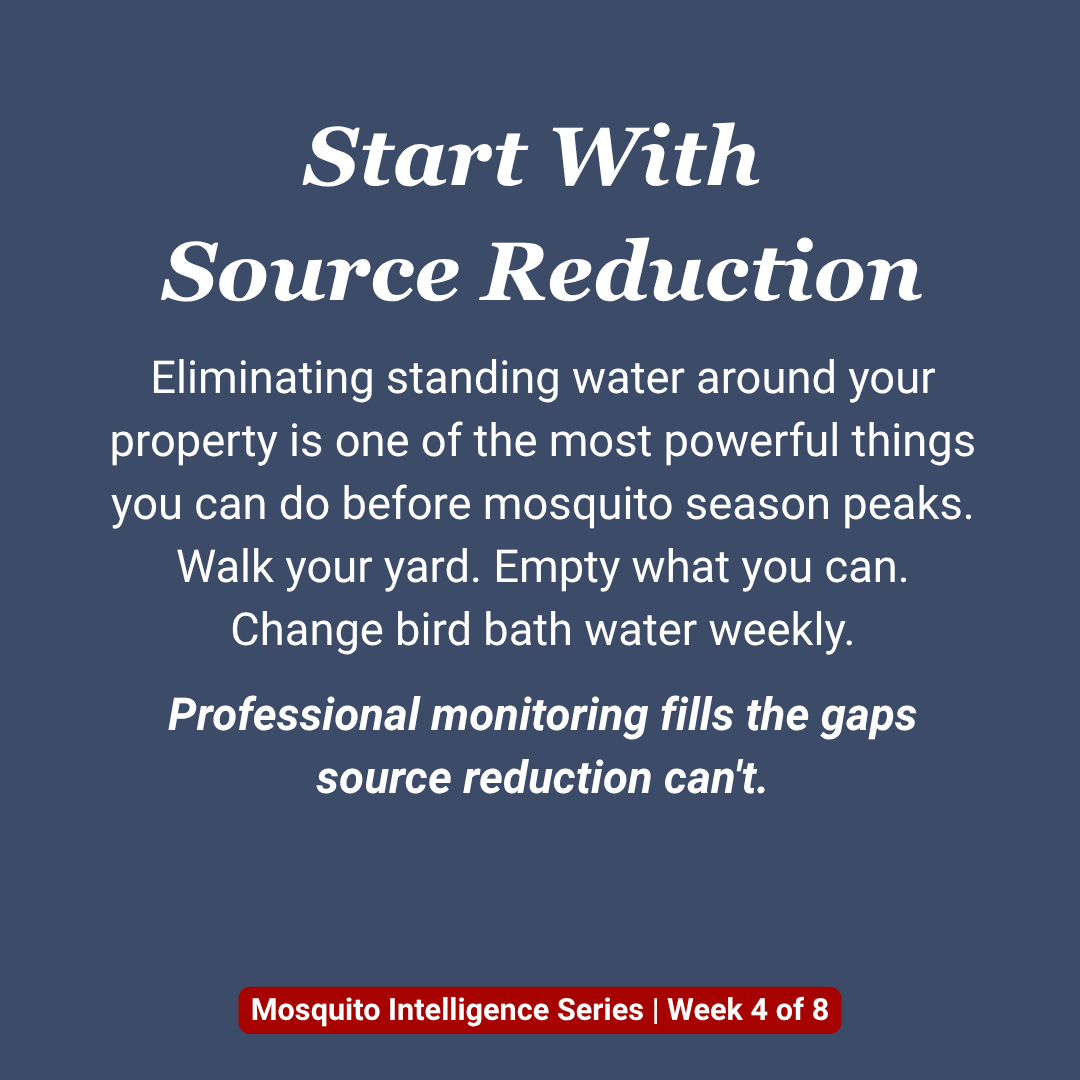
    • Eliminate standing water from gutters, containers, and low-lying areas
    • Keep grass trimmed and reduce dense vegetation around the property
    • Ensure proper drainage to prevent water buildup after rain or irrigation
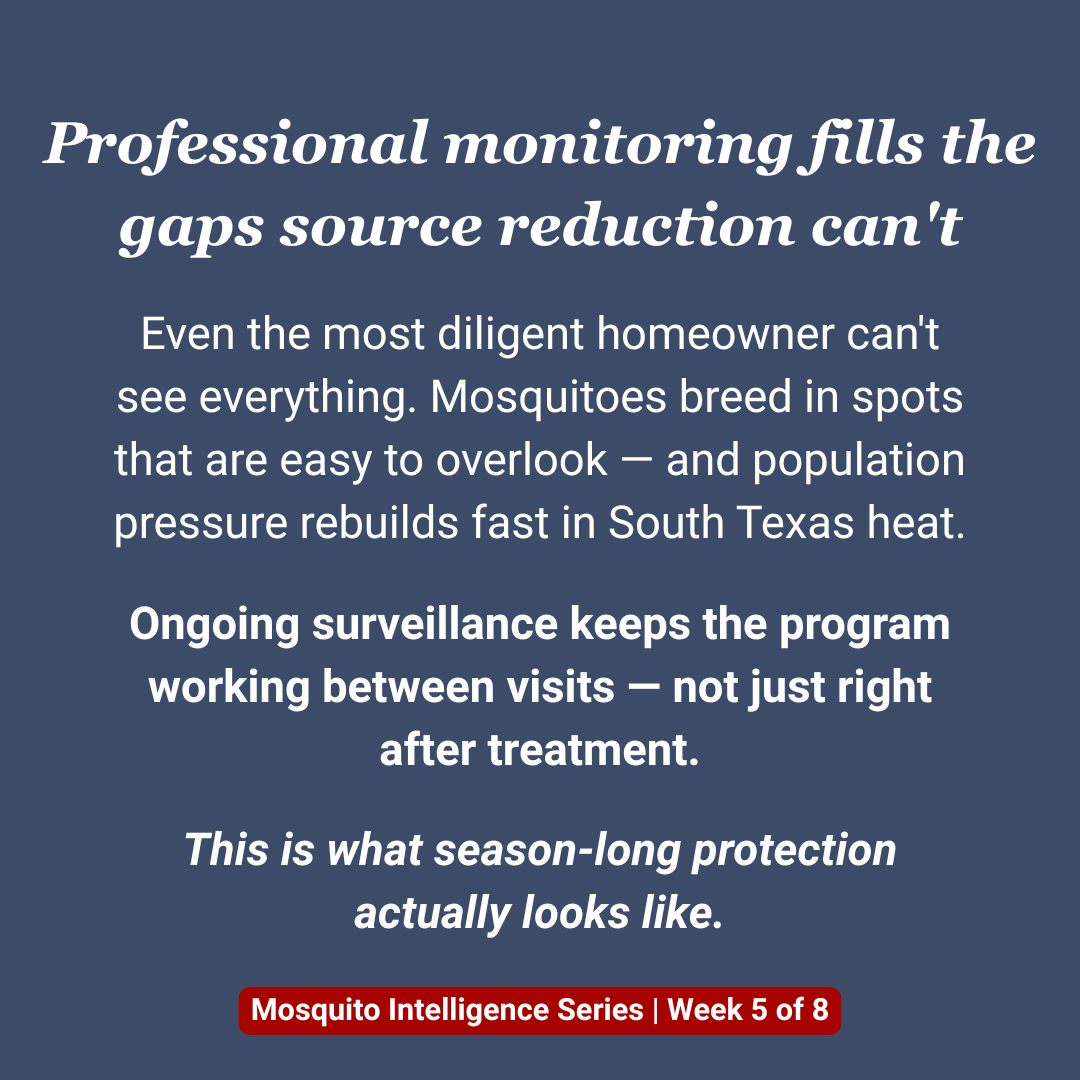
    • Maintain routine mosquito treatments during peak seasons for ongoing control
    Spring/Summer

    As temperatures begin to warm, mosquito activity starts to increase as eggs hatch in standing water. Early-season breeding can quickly lead to larger populations if not addressed. Spring is a critical time to eliminate water sources and prevent mosquitoes from establishing around the property.

    • Eliminate standing water from gutters, containers, and low-lying areas
    • Keep grass trimmed and reduce dense vegetation around the property
    • Ensure proper drainage to prevent water buildup after rain or irrigation
    • Maintain routine mosquito treatments during peak seasons for ongoing control
    Fall/Winter

    As temperatures begin to cool, mosquito activity gradually declines but does not disappear. Standing water from seasonal rain and irrigation can still support breeding, allowing populations to persist into early fall. Mosquitoes remain active during warmer days and can continue to impact outdoor spaces until consistent cooler weather sets in.

    THE BENEFITS OF LONESTAR PEST SOLUTIONS

    PROACTIVE PROTECTION FOR YOUR ENVIRONMENT

    Our comprehensive pest inspection and prevention program focuses on early detection and elimination of conditions that attract unwanted pests. Through ongoing monitoring and tailored maintenance, we help ensure a safe, pest-free environment for your facilities year-round.

    PREVENTION SAVING APPROACH

    A proactive rodent management program reduces costly damage, contamination, and emergency callouts often associated with reactive treatments. By addressing potential issues early, LONESTAR Pest Solutions helps protect both your facilities and your budget through consistent, preventive care.
    Convenience

    Our hassle-free scheduling and routine visits allow your team to stay focused on daily operations while we handle pest prevention behind the scenes. With reliable service you can count on, LONESTAR Pest Solutions ensures your facilities remain protected—without interruption or added effort on your part.

    EXPERT ADDVICE YOU CAN TRUST

    From effective elimination to long-term prevention, we provide more than just products — we provide peace of mind. Our professional-grade solutions are designed to target pests quickly and efficiently, while our certified experts are here to guide you every step of the way. With personalized guidance and the assurance of high-quality standards, you’ll have the confidence to take back control of your environment.

    What Homeowners Say